
Foods to Avoid with Kidney Disease: A Complete Guide
Foods to Avoid with Kidney Disease: A Complete Guide
Foods to avoid with Kidney Disease may also consist of foods with high content of sodium, potassium, phosphorus, bad fats, and sugar. It is beneficial to limit the intake of such foods to alleviate the burden on weakened kidneys and improve their performance.
As per the conviction of Karan Kakkad, education in nutrition is one of the most potent pillars of good health. In addition to making the right medical decisions, one can protect his/her kidney by being aware of the foods which unnecessarily burden his/her kidney.
Foods to Avoid with Kidney Disease: A Comprehensive Study
- Your kidneys do their job quietly every single day. They clean the waste products, excess water, regulate the minerals, and keep your body balanced inside out.
- When your kidneys cannot perform the way they should, then this natural process will not be working efficiently enough. This is why it becomes equally important to know what you need to avoid eating.
- Sustainable nutrition may also play a significant role in sustaining good kidney health in conjunction with holistic therapy.
Healthy Kidney Diet Does Not Involve Eating Less
Some types of foods tend to add more stress to your kidneys, while other foods promote healthy body processes without adding more stress to the body:
What Foods Should You Avoid with Kidney Disease
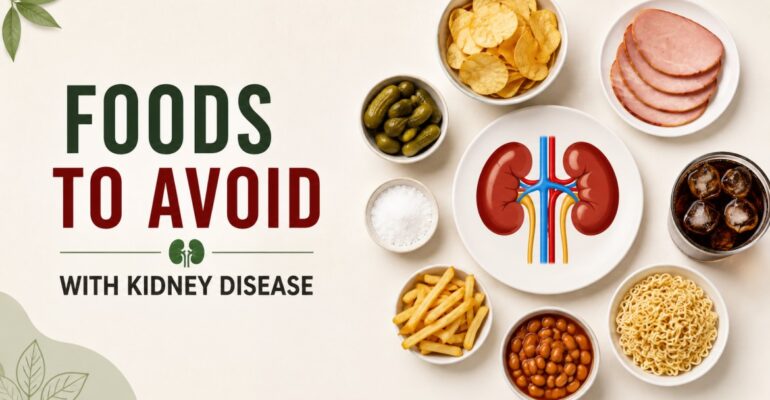
i) Highly Processed Foods: Most processed foods have high levels of sodium and other chemicals. Eating them will increase the work of the kidneys and make it difficult to have healthy fluid levels and good blood pressure.
ii) Packaged Snacks: Snacks from packages such as chips, namkeen, and crackers usually have high levels of salt and fats that can cause retention of fluids and extra work for the weakened kidneys.
iii) Sugary Drinks: Soft drinks, packaged juices, and energy drinks are known to have very high amounts of added sugars. There are dangers associated with their consumption like obesity and diabetes among many others.
iv) Processed Meats: Processed meat includes foods such as sausages, bacon, and salami. They are known to be full of sodium and chemicals that increase blood pressure and make the kidney condition worse.
v) Very Salty Foods: Foods made using lots of salt make the body retain unnecessary fluids, which is an extra burden on the functioning of the kidneys.
These types of foods are usually labelled as foods that damage your kidneys because of their regular intake by people leading an unhealthy lifestyle.
Commonly Restrained Food Categories
Various levels of kidney disease have different dietary recommendations. Nonetheless, some of the commonly recommended nutrients include:
Sodium
- High levels of sodium could lead to:
- Fluid buildup
- High blood pressure
- Edema
- High workload on the kidney
Foods such as packaged foods, instant foods, pickled foods, sauces, and processed foods contain high sodium content.
Potassium
The healthy functioning of the kidneys helps the body to regulate the levels of potassium. Diseased kidneys might have trouble in eliminating excess amounts from the body. Examples of common potassium-rich foods include:
- Bananas
- Potatoes
- Tomatoes
- Spinach
- Avocado
- Dried fruits
These food sources are healthy but might need to be taken in moderation based on personal recommendations.
Phosphorus
Too much phosphorus may lead to bone weakening over time, besides disturbing the mineral balance. The common sources of phosphorus-rich foods are:
- Processed cheese
- Cola drinks
- Baked food items
- Processed meat
- Milk products
Phosphorus monitoring becomes necessary as chronic kidney disease develops.
Foods That Can Be Replaced Rather than Eliminated
Not eliminating all of one’s favourite foods can be considered as an option. The objective of a healthy CKD diet involves substituting inappropriate foods for better ones where necessary:
| Replace | With |
| Packaged Chips | Homemade snacks (unsalted) |
| Sugary soft drinks | Water (or kidney-friendly drinks) |
| Processed meats | Fresh lean meat (as recommended) |
| Instant noodles | Home-cooked food (less spicy & oily) |
| Packaged desserts | Fresh fruit (if safe for health) |
Healthy Eating Practices for Kidneys
There is no doubt that food selection counts; however, healthy eating practices do too. Some simple examples include the following:
- Reducing intake of processed foods.
- Being attentive to nutrition labels.
- Ingesting fluids according to the recommendations of your holistic care provider.
- Using less salt while cooking.
- Having well-balanced portions rather than big meals.
Gradual modifications in your diet are usually more efficient in dealing with foods to avoid kidney disease than strict limitations.
Also Read: Top 7 Kidney Detox Drinks That Actually Works
Is Diet an Alternative for the Reversal of Kidney Disorders
- Lots of people are looking for methods to reverse disease naturally. This will depend on the cause of the problem and the current stage of kidney disease.
- Although it is not possible to reverse kidney disease that has progressed to an advanced state, proper diet, proper attention, weight control, and good habits may assist in slowing down the process and improving your health.
- The realistic approach to how to cure chronic kidney disease starts with realising that managing the condition effectively entails nutrition, exercise, stress relief, good sleep, and integrated monitoring.
When Dialysis Is Needed
- With progression of kidney problems, certain people may ultimately need to have dialysis. Dialysis is a process where one of the processes performed by the kidney is performed, that of filtering the blood of extra wastes and fluid from it.
- Despite the start of the dialysis process, it is still very important to adhere to the foods to avoid kidney disease list. This will help achieve better results for kidney health.
Kidney Care on a Daily Basis
Well-functioning kidneys require regular maintenance rather than temporary adjustments. Some practices that help include:
- Keeping your blood sugar stable.
- Maintaining normal blood pressure.
- Regularly exercising and doing yoga.
- Using painkillers only when necessary.
- Taking your medication as instructed.
Some people explore how they can boost their health with the right nutrition, like kidney-cleansing foods and drinks.
Karan Kakkad on Foods to Avoid with Kidney Disease
Karan Kakkad believes in holistic nutrition that is practical, personal, and convenient. In the long run, sustainability starts with realising how each day’s nutrition impacts one’s body instead of getting carried away by trendy diets.
Knowing foods to avoid kidney disease helps you make better decisions for your kidney health, work with your healthcare provider, and enhance your lifestyle in general. Small changes to your diet can make a big difference in the long run.
FAQs
- Should foods high in potassium be avoided all the time for better kidney health?
No, not always. Foods high in potassium are good, but the amount you take will vary depending on your kidney problem and what the doctor recommends.
- Will a CKD diet help improve kidney health?
Yes. With a proper diet for CKD, one will have an opportunity to reduce the load on the kidneys, control symptoms and improve kidney function together with other medications.
- Will all phosphorus-rich foods be forbidden because of the dialysis?
Not necessarily. Individuals having dialysis usually avoid phosphorus-containing foods; however, dietary restrictions need to be individually designed by a healthcare specialist.
- Is it bad for people with kidney disease to consume processed foods?
Yes, since processed foods have too much salt, unhealthy fat content, and additives which may overload the impaired kidneys.
- Can lifestyle changes prevent kidney disease progression?
Yes. This can be achieved through proper nutrition, regular physical exercise, sufficient hydration, decreased blood pressure levels, and treatment of diabetes.

Recent Comments