

Blood Sugar Management: Diet, Exercise & Lifestyle Changes That Work
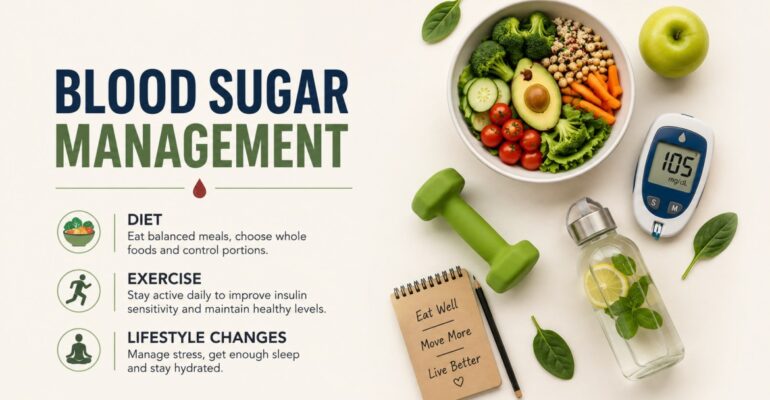
Blood Sugar Management: Diet, Exercise & Lifestyle Changes That Work
Effective Blood Sugar Management is perhaps the first step towards prevention of any complications related to diabetes and maintaining good health in the future. No matter whether you have diabetes, prediabetes, or insulin resistance, you can always try to keep your blood sugar level stable by having healthy habits and feeling better in general.
Karan Kakkad says that managing blood sugar levels correctly requires an understanding of how our bodies respond to eating, exercising, stress, sleep, and lifestyle. It is hard to achieve sustainable changes in one’s body in just one attempt – it takes some effort. People who are seeking a more organised approach could consider taking up his diabetes reversal programme which relies heavily on evidence-based lifestyle interventions.
Understanding of Blood Sugar Levels
Blood sugar or glucose is basically the level of sugar content in the blood. Glucose acts as the major source of energy for the body and is controlled by different types of hormones like insulin. Blood glucose management plays an important role here because it helps keep a healthy balance of blood sugar in the body and makes the body work well without developing any complications in the future.
Definition of Normal Blood Sugar Levels
Normal blood sugar levels depend on whether an individual is fasting or has just eaten some food. Usually, doctors consider fasting blood glucose levels, postprandial glucose, and HbA1c levels.
Reasons for The Changes In Blood Sugar Levels
The level of blood sugar naturally goes up after eating and naturally decreases with usage of glucose. There are factors like type of diet, exercise, stress, illnesses, sleeping patterns, medicines, and hormone levels that affect the fluctuations of blood sugar levels. It is important to follow the same pattern to reduce these fluctuations.
Causes of High Blood Sugar Level
Consistent high blood sugar levels might be because of factors like insulin resistance, insufficient insulin levels, excess consumption of processed carbohydrates, lack of exercise, stress, particular health problems or improper use of medicine.
Perspective by the World Health Organization (WHO)
According to WHO, some of the major steps that can be used to prevent or postpone the development of type 2 diabetes include maintaining a healthy diet, remaining physically active, having a healthy weight, and not using tobacco.
Why Blood Sugar Management Is Important
Regulation of blood glucose is important for a wide range of health reasons and not just to prevent the development of diabetes. Proper blood sugar management will help keep your organs safe, improve your performance and prevent metabolic complications.
Prevention of Diabetes Complications
Control of blood sugar in the optimal range will help prevent problems associated with the eyes, nerves, kidneys and blood vessels. Moreover, this will help you stay healthy in the future.
1. Improves Heart and Kidney Health
A high level of glucose in the blood will increase the chance of having heart disease and kidney complications. Appropriate blood sugar levels will help avoid excessive load on these organs and will improve their functioning.
2. Improved Energy Levels
Rapid changes in blood sugar result in fatigue, concentration problems, and poor performance. Normal blood glucose levels will help you better utilise the body’s energy potential.
3. Weight Loss
Proper nutrition and exercise are beneficial for both controlling blood sugar and your weight. Being of proper weight will help you better regulate your blood glucose levels.
Best Diet for Blood Sugar Management
A healthy diet will always remain one of the best options for blood sugar management. It would not include avoidance of any particular food group but should include foods which will provide steady energy and avoid blood sugar spikes in one way or another.
1. Eat Foods Low in Glycemic Index
Glycemic index is an indicator of how fast glucose is absorbed from foods. Whole grains, legumes, non-starchy vegetables, and several fruits can be good choices for providing steadier levels of blood sugar.
2. Incorporate Plenty of Fibre in Your Diet
High-fibre foods slow down digestion and glucose absorption; thus, they promote steady levels of blood sugar. High-fibre foods are whole grains, vegetables, beans, seeds, lentils, and fruits.
3. Incorporate Protein Foods
Protein promotes satiety and also plays an important role in muscle growth; moreover, protein does not raise blood sugar levels rapidly. Poultry, fish, tofu, low-fat dairy, legumes, and eggs can serve as a great source of protein.
4. Eat Healthy Fats
Healthy fats derived from nuts, seeds, avocados, olive oil, and fish are good for the heart and form part of healthy diets that ensure regulation of blood sugar levels.
5. Stay Well Hydrated
It is very important for the functioning of your body and helps to regulate the level of glucose in your body. Drinking water rather than sugary drinks will also help you consume fewer calories and sugars.
6. Portion Control
Eating too much even of healthy food can lead to higher blood sugar levels. Practising portion control will help you eat healthy and regulated meals.
Foods to Eat
There are certain foods to control blood sugar that can help regulate the levels of glucose in the body:
- Grains like oats, barley, and brown rice.
- Dark green leafy vegetables like spinach and kale.
- Legumes such as lentils and beans.
- Berries and dry fruit such as dates with low glycemic index.
- Protein food sources, for example, fish, chicken, tofu, and eggs.
- Nuts and seeds without adding any salt.
- Yogurt and low-fat dairy products.
A balanced and proper diet for blood sugar should have variety, be nutritious and emphasise moderation.
Foods to Avoid
Certain foods tend to create fast rises in blood sugar levels and are better avoided at all times:
- Sweetened beverages.
- Highly processed and packaged sweets and snacks.
- White bread and other refined flour products.
- Deep-fried foods.
- Desserts consisting of sugar.
- Salted processed meats.
- Large servings of refined carbs.
Avoiding such foods and replacing them with healthy substitutes will help in maintaining more balanced blood glucose levels.
Exercises for Maintaining Glucose Levels
Exercise helps with the utilisation of glucose in the body and boosts insulin sensitivity. Regular even moderate intensity exercise can significantly contribute to blood sugar management and metabolic processes:
i) Strength Exercises: Bodyweight training, use of resistance bands and weights promotes muscle growth. Muscles utilise glucose as an energy resource and increased muscle strength will promote better control of blood glucose levels.
ii) Aerobic Exercise: Cycling, swimming, running and dancing will benefit the health of the heart and increase the effectiveness of glucose utilisation by the body.
iii) Walking: Regular brisk walking is the simplest and most effective exercise for blood sugar. A 20–30 minute walk after meals may help lower glucose levels after eating.
iv) Flexibility and Balance Exercise: Yoga and stretching will increase flexibility and help to relieve stress, and will be useful together with other kinds of exercise.
Active Lifestyle Routine
- At least 150 minutes of moderate exercise per week.
- Two days a week strength exercises.
- Do not stay still for too long.
- Start slowly and progress according to your fitness level.
Lifestyle Modifications That Work
Long-term success requires establishing healthy habits that become part of one’s everyday routine, rather than short-lived habits:
-
Obtain Good-Quality Sleep
Bad sleep habits can interfere with the proper regulation of hormones and insulin. Individuals need to strive to get good-quality sleep at all times.
-
Deal With Stress Appropriately
Persistent stress might elevate blood glucose levels via the alteration of hormones. Relaxation methods like meditation, breathing techniques, hobbies, and exercise can enhance one’s emotional state.
-
Quit Smoking and Limit Drinking
The consumption of tobacco is a cause of potential complications of diabetes, and heavy drinking might lead to irregular glucose control.
Establish Healthy Habits Every Day
Making little progress each day will yield better results than sudden drastic alterations to your lifestyle:
- Eat your meals at regular times.
- Exercise throughout the day.
- Eat healthy food instead of fast food.
- Get frequent medical checkups.
Those who wish to have an organised form of long-term help can go for a programme of staying away from diabetes by adopting healthy lifestyles.
Monitor Your Blood Glucose Levels
Testing glucose allows individuals to know how certain activities, foods, exercises, and other things affect their sugar levels. Monitoring also enables healthcare providers to adjust patients’ treatment strategies whenever needed.
The Importance of Glucose Monitoring
Glucose monitoring enables people to detect some patterns which may otherwise be overlooked. In addition, it enables individuals to make sound decisions about what they eat, the exercises they engage in, and even the drugs they take.
Methods for Effective Monitoring
- Using a glucometer to monitor your glucose level at home.
- Continuous glucose monitoring (CGM).
- HbA1c monitoring occasionally.
Healthy blood sugar levels are easier to maintain once people know how their bodies react to their daily activities.
Common Errors to Avoid
There are individuals who have a better understanding of living healthily yet end up making decisions which influence blood sugar management unknowingly:
- Skipping Meals
Failing to eat can result in unsteady glucose levels and lead to chances of overeating later in the day.
- Revelation on Sugary Drinks
They can cause sudden spikes in blood glucose levels while offering low nutritional benefits.
- Inconsistency in Physical Exercises
Not doing regular exercises affects most of the health benefits related to blood sugar management.
- Neglecting Medical Reviews
They play an important role in detecting any change in time and adjusting the treatment methods accordingly.
Tips for Improving Blood Sugar Management at Home
- Maintain a routine eating plan.
- Keep yourself hydrated.
- Engage in regular exercise.
- Follow the advice of doctors.
- Measure blood glucose according to your doctor’s guidelines.
When Should You See a Doctor
While lifestyle changes can be highly effective, seeing a doctor becomes necessary when your blood sugar is constantly high or symptoms are present regardless of how healthy your lifestyle is.
Symptoms That Need Medical Attention
- Consistently high blood sugar levels.
- Constant thirst and urination.
- Sudden loss of weight.
- Repeated infections.
- Poor vision or tingling sensations.
- Dizziness or extreme tiredness.
Seeking medical advice at an early stage will help detect any possible reasons and will ensure that appropriate action is taken to avoid possible complications. Natural ways to lower blood sugar can work well for some people alongside medical treatment, but they should never replace it.
Begin Your Blood Sugar Management with Karan Kakkad
Blood Sugar Management is based on good nutrition, exercise, proper sleep, management of stress, and appropriate medical advice. Rather than seeking quick solutions, developing a sustainable practice on a regular basis would be a more efficient foundation for obtaining proper glucose regulation and preventing health problems.
If you seek medical guidance to address your problems, then I would recommend the Diabetes Reversal Programme by Karan Kakkad. It is created for people who need help in improving their metabolic state with non-medication-based treatment. Find out from him how a well-rounded approach may help you achieve health benefits and maintain a healthy state in the future, free from diabetes.
Your path to improved metabolic wellness starts here with Karan Kakkad’s holistic approach. Book an appointment today and start your journey to long-term blood sugar regulation.
FAQs
1. Is it possible that blood sugar control naturally?
In some cases, it is possible that individuals with prediabetes or the early stages of type 2 diabetes achieve blood sugar control naturally with dietary changes, physical exercise, maintaining their ideal weight, and under the supervision of a physician. Changes in medications should never be made without discussing with a healthcare provider.
2. How fast does HbA1c improve with blood sugar management?
HbA1c levels generally indicate the level of average blood sugar over a two or three-month period of time. Effective management of blood glucose levels by way of appropriate diet, adequate physical activity, and healthy lifestyle habits could help in improving the HbA1c.
3. What are low-glycemic foods for stable blood sugar?
Food products like whole grains, legumes, leafy greens, fruits like berries, nuts, and lean protein are often classified as low glycemic foods due to their contribution to stable healthy blood sugar levels.
4. Does exercise lower blood sugar right away?
Physical activity can help in making muscles more efficient at using the blood glucose, thus causing a drop in the blood sugar levels for certain people due to exercise. However, individuals will have different responses to exercise depending on its nature, duration, and intensity.
5. Is fasting good for controlling your blood sugar?
While fasting could be helpful to some people, not all people can do this activity. It is important for people who have diabetes to consult their doctors prior to starting their fasting.


Recent Comments