
How to Stay Diabetes-Free: A Long-Term Maintenance Plan After Diabetes Reversal
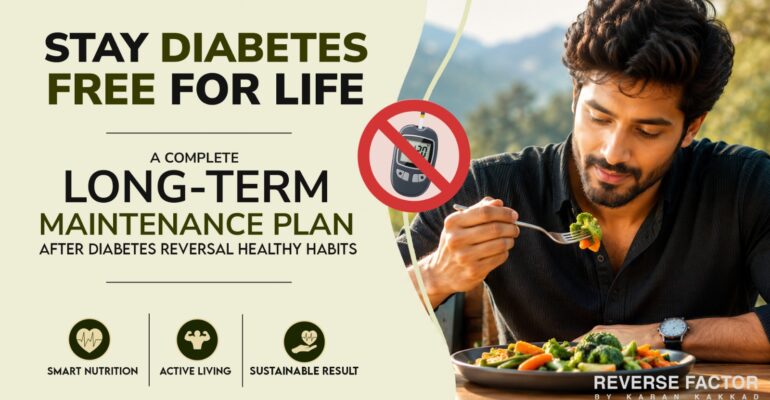
How to Stay Diabetes-Free: A Long-Term Maintenance Plan After Diabetes Reversal
Achieving diabetes reversal is quite an accomplishment; however, the process should not end at that point. There are many who put in all their effort into trying to improve their blood glucose level, only to realise later that they do not know where to go from there. What really counts is how well you cope with life after improvement.
If you have been able to reverse type 2 diabetes effectively, you definitely need a plan to ensure you preserve your efforts and enjoy life without any worries about unstable energy and metabolism.
Understand That Diabetes Reversal Requires Ongoing Care
Many people who achieve diabetes remission may feel that they can resume their old ways of life. However, once you stop following healthy practices, your glucose levels can become high again.
Consider remission not an endpoint but rather the reward for all the hard work done. Your body reacts favourably if you continue to nourish it with food, exercise, and relaxation.
Follow a Sustainable Diabetes Diet Plan
However, food is still considered one of the most critical aspects that can be used to stabilise the levels of blood glucose. Therefore, it is recommended not to limit your diet but create dishes that would benefit you physically and provide glucose stability.
In order to construct an effective dietary plan for diabetes patients, it is essential to consider the following elements:
- Lots of vegetables
- High-quality proteins
- Unprocessed fats, such as from nuts or seeds
- Whole grains consumed appropriately
- Proper hydration
Do not choose food only because it sounds good.
Keep Moving Every Day
Exercising allows you to utilise insulin well in your body and ensures a good metabolism. There is no need to engage in vigorous exercises to keep up the results.
Even mild activities will help you achieve noticeable effects:
- Taking walks every day
- Engaging in strength training
- Practising yoga
- Riding a bicycle or swimming
- Household chores
What really counts is regularity rather than intensity. Regular movement supports long-term diabetes management and helps maintain a healthy weight.
Prioritise Quality Sleep
It influences hormonal balance, hunger pangs, energy, and glucose control.
Develop a bedtime routine and set up your bedroom to promote sleep. Little changes in your sleep pattern will result in positive changes in your energy levels and glucose metabolism.
Manage Stress Before It Manages You
Many do not know how much stress affects their blood sugar. In situations where the stress level is high, there will be hormone release which may elevate the glucose level in the body. Lifestyle changes for diabetes are a necessary factor.
Ways to support emotional wellness include:
- Deep breathing
- Meditation
- Nature walks
- Your favourite activities
- Socialisation
Monitor Your Progress
Even after reversing diabetes successfully, monitoring is still necessary. Regularly monitoring your glucose levels will help you detect any alterations that might occur.
Take note of the following:
- Levels of energy
- Quality of sleep
- Weight fluctuations
- Dieting practices
- Exercise routines
Focus on Preventing Diabetes Naturally
The behaviours that have brought about remission for you are the same that ensure you maintain normal blood sugar naturally.
It is usually the simple things that bring long-lasting success:
- Eat healthy meals
- Exercise regularly
- Get enough sleep
- Cope with stress
- Have a healthy regimen
All these lifestyle changes help keep your blood sugar control.
Final Thoughts
Once one has diabetes reversal, perfection is not what follows. Consistency is the key here. Minor decisions made every day will influence health more than one-time actions.
If you remain consistent and make conscious food choices, engage in physical activity, handle your stress well, and ensure sufficient amounts of rest, you can provide yourself with the best conditions for maintaining good health. The process does not end once you have reversed diabetes but rather becomes part of a sustainable way of life.
Karan Kakkad concentrates his work on promoting the improvement of the health of individuals based on dieting, lifestyle adjustments, stress management, and daily routines that ensure a healthy life in the long run.
FAQ
1. Can type 2 diabetes reoccur even when reversed?
Yes, because one can have high blood glucose levels despite lack of adherence to healthy habits. Consistency is essential in achieving success.
2. What are some of the things that can help keep blood glucose at normal levels after reverting from diabetes?
Adherence to proper eating habits, exercises, stress reduction, adequate sleep, and examinations are some of the things.
3. Do I have to live on a diabetic diet for the remainder of my life?
No, but it’s necessary to adhere to proper nutrition for maintenance of balanced glucose levels.
4. Is exercise required to control diabetes?
Yes, doing regular physical exercises makes one more sensitive to insulin.
5. What are the best lifestyle factors for reversing diabetes?
Eating healthy foods, exercising, getting adequate sleep, stress reduction, and health tests are some of the best lifestyles one can adopt to reverse diabetes.

Recent Comments