

How to Lower HbA1c Levels Naturally: A Complete Guide
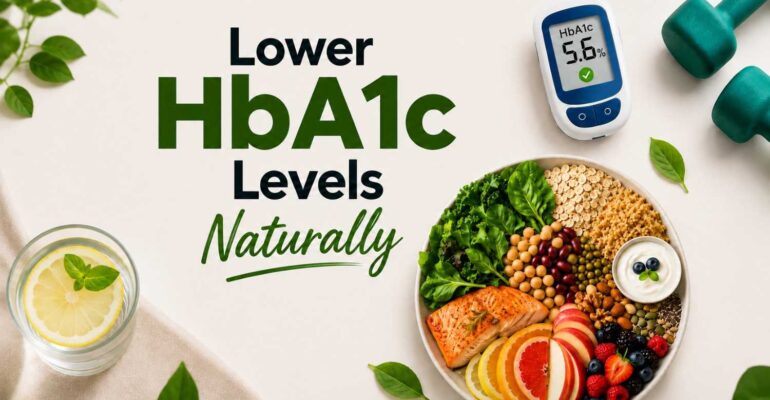
How to Lower HbA1c Levels Naturally: A Complete Guide
Being able to know how to lower HbA1c levels naturally is becoming more and more relevant as people strive to find effective solutions that would allow them to improve their blood sugar levels. Although medication is sometimes necessary, healthy nutrition, physical exercises, maintaining the right weight, as well as developing certain habits may help to maintain better HbA1c levels.
Karan Kakkad thinks that long-term metabolic health can be attained by means of personalised lifestyle modification based on medical evidence. It helps people learn about the aspects that affect their blood sugar and develop certain habits.
What Is HbA1c?
- HbA1c, also referred to as glycated haemoglobin, is a type of blood test used to find out the proportion of haemoglobin linked to glucose. As the lifespan of red blood cells is three months on average, HbA1c shows the average concentration of glucose in the blood in the last 8-12 weeks instead of reflecting one-day readings.
- In contrast to daily tests for glucose concentration, HbA1c allows physicians to learn more about the history of sugar control, and therefore, it is one of the most important instruments in diabetes diagnostics and treatment.
Relevance of HbA1c for Human Health
- Unlike periodic glucose measurement from pricked fingertips, HbA1c helps to get a larger understanding of the condition. This test enables health care providers to understand if therapy, diets, exercises, and drugs are working to keep glucose levels under control.
- Increased levels of HbA1c indicate a higher risk of the development of diabetes complications such as heart disease, kidney problems, nerve damage, and vision loss. Regular testing will allow adjusting the way of treatment in a timely manner.
HbA1c vs Daily Blood Sugar Levels
While both types of measurement measure glucose levels, they have different functions:
| HbA1c | Daily Blood Sugar Level Reading |
| Gives an average blood sugar level for the last 2-3 months | Gives the blood sugar level at a particular moment |
| For long-term monitoring | For daily monitoring |
| Not very affected by temporary changes | Affected by food, exercise, stress and medicines |
The two tests work hand-in-hand to give useful information about diabetes management.
What is a Healthy HbA1c Level?
Knowledge of your HbA1c level assists in determining the state of your metabolic health and deciding how you will be treated in the future. People interested to lower HbA1c levels naturally should be aware of where they stand now among recognised clinical values:
Normal HbA1c Value
For most non-diabetic people, HbA1c levels lower than 5.7% can be regarded as normal. Healthy diets, regular exercise, and good lifestyle patterns help maintain such numbers.
Prediabetic Range
HbA1c of 5.7%-6.4% indicates the presence of prediabetes, giving the individual the chance to take measures for prevention of its progression. It is possible for people to reduce HbA1c naturally by changing their diets, maintaining optimal weight, and exercising more.
Diabetic Range
If HbA1c is equal to 6.5% or higher after appropriate medical evaluation, it is possible that you have diabetes. Decisions about treatments vary depending on one’s health, but it is useful to use lifestyle improvement to lower A1C naturally.
What Causes Elevated HbA1c Levels?
There are different reasons for constantly elevated levels of HbA1c. Knowing what causes elevated HbA1c is very important because healthcare practitioners will be able to give more personalised recommendations:
Common Factors to Cause Elevated HbA1c Levels
- Constantly elevated blood glucose levels for several weeks.
- Low physical activity.
- High body weight and insulin resistance.
- High intake of processed food products that contain added sugars.
- Failure to follow prescribed treatment plan.
- Constant stress.
- Lack of sleep.
- Other diseases affect the metabolism of glucose.
As per the World Health Organization (WHO), healthy diet, physical activity, normal weight and no smoking are some of the best methods for decreasing Type 2 diabetes risk and improving overall metabolic health. These aspects also play an important role in effective HbA1c management.
Is It Possible to Reduce HbA1c Without Medications?
Yes, it is possible for many people to lower HbA1c levels naturally without the help of any medicine. However, the method will depend on the reason for HbA1c levels being elevated as well as general health. It is important to understand that the goal is not to make any quick changes but to create new healthy habits that could be sustained.
Little Things Every Day Will Sum Up to a Lot
Healthy factors that may contribute to the natural decrease of HbA1c usually include the right nutrition, physical activities, maintaining the right weight, having enough sleep, reducing stress, and visiting the doctor. All these adjustments work collectively to manage blood sugar.
Best Diet to Reduce HbA1c Level
Eating nutritious food is still the most effective method of influencing the process of glucose management. Instead of limiting oneself to the special diets, it is advisable to create balanced meals to get enough energy on a regular basis:
i) Create a Balanced Meal: It is important to have a proper combination of complex carbs, proteins, fats, and fibres during each meal. In this way, glucose absorption will be slowed down and metabolism will function more efficiently.
ii) Choose Whole Foods: Less processed food provides more nutrition as compared to highly processed foods. Grains, vegetables, legumes, fruits, and protein-rich products will give necessary nutrients and support better glucose levels.
iii) Eat at Regular Intervals: Proper timing of meals will allow avoiding sharp changes in glucose levels throughout the day. When you skip some of your meals, you will most likely eat more food later.
iv) Portions Should Be Appropriate: Healthy food should be eaten in proper portions. It will help in managing the glucose level without limiting your diet.
Personal diet to lower HbA1c should be carefully planned considering the individual needs.
HbA1c-Lowering Foods
There is no one food item that can help reduce HbA1c on its own. However, there are also some nutritious foods that help to preserve proper metabolic activity when eating regularly:
Nutritious Foods
There are some foods that are commonly recommended as foods to lower HbA1c:
- Green leafy vegetables
- Legumes
- Oatmeal
- Whole grains
- Greek yogurt
- Nuts and seeds
- Berries
- Apples
- Citrus fruits
- Fatty fish
These foods will provide you with fibre, vitamins, minerals, proteins, and healthy fats, leading to slow glucose uptake in the blood.
Foods to Reduce or Avoid
Certain foods make your body experience higher swings in terms of blood sugar levels when they are taken regularly:
- Sugary drinks
- Refined baked items
- Candies
- White bread
- Breakfast cereals with added sugars
- Processed snack foods
- Too many fast foods
Cutting back on these foods and replacing them with more nutritious foods can usually help with glucose regulation over time.
Exercise to Lower HbA1c
Physical activity enables better glucose utilisation by the muscles as well as better insulin sensitivity. More often than not, regularity is more important than high intensity:
i) Walking Exercise: 20-30 minutes of brisk walking most days of the week is among the easiest ways to achieve good metabolic health.
ii) Resistance Exercise: Resistance training is a good way to gain lean muscle mass which will make it easier for the muscles to utilise glucose.
iii) Cardiovascular Exercise: Biking, swimming, running and other aerobic exercises are good for metabolism as well as fitness.
The best exercise to reduce HbA1c is the exercise that you can fit into your daily routine and stick to regularly.
Changes to Lifestyle That Lead to a Reduced HbA1C
Healthy glucose management goes far beyond diet and exercise. Habits have a profound impact on the metabolic function in general:
- Quality Sleep Ensures Metabolic Functioning
Insufficient sleep might influence one’s insulin sensitivity, hunger, and hormone balance. Everyone needs to get enough good quality sleep.
- Reduce Everyday Stress
Stress plays a role in the production of hormones that may lead to increased blood glucose levels. Various relaxation methods, exercises, and even hobbies help to decrease stress.
- Keep Your Body Weight Normal
A slight reduction in body weight could improve insulin sensitivity in people who have extra body fat.
Remain Steady
Significant gains are often not achieved through intense short-term actions. On the contrary, sustained actions performed daily tend to have the most impact in terms of lowering HbA1c naturally.
Time Required to Lower HbA1c
Since HbA1c represents an average blood glucose concentration for the last 8 to 12 weeks, it is obvious that the reduction will take some time. While daily glucose concentrations may become better within just a few days or weeks, HbA1c will slowly change due to replacement of old red blood cells with new ones:
There are several factors influencing the time when HbA1c is reduced. These include:
- Initial HbA1c value.
- Stability of diet.
- Physical exercises.
- Taking medicines.
- Body weight control.
- Metabolic condition.
Whereas fast results may not always be desired, the majority of medical professionals suggest slow but sustainable improvements that will last in the future.
Track Your Progress
Progress tracking is useful to see whether lifestyle changes are making a difference.
Regular Monitoring Is Important
- It is common practice for physicians to order HbA1c tests periodically, alongside normal blood glucose monitoring. This will help understand how nutrition, exercise, and lifestyle changes affect glucose management.
- Regular monitoring can be used to determine whether an individual’s attempts to lower HbA1c levels naturally are making any difference.
Common Mistakes That Prevent Lowering HbA1c
Some people can unwittingly form habits that will prevent them from making improvements over time.
These mistakes include:
- Often skipping meals.
- Overreliance on processed foods.
- Drinking sweetened drinks frequently.
- Not having consistent physical activity.
- Having poor sleep patterns.
- Lack of stress management skills.
- Not following up with doctors.
- Discontinuing their medication without consulting their physician.
Changing these habits is often very important for achieving results in HbA1c.
- Those who have questions about abnormal blood sugar levels may need to know about the early symptoms of type 1 diabetes, especially those who appear suddenly and need medical attention right away.
- Likewise, understanding what mainly causes type 2 diabetes assists many individuals in identifying their lifestyle mistakes that lead to higher levels of sugar in the bloodstream.
Lower HbA1c Levels Naturally with the Holistic Approach by Karan Kakkad
The process of learning how to lower HbA1c levels naturally needs patience and a consistent way of life with the help of proven measures, not fast solutions. Balanced diet, physical activities, proper rest, managing stress, maintaining weight, and regular checks all play their role in helping glucose regulation in a healthy way.
Join Karan Kakkad’s personalized diabetes reversal program and take the next step towards healthier HbA1c levels.
FAQs
-
Is it possible to get normal HbA1c levels naturally via blood sugar regulation?
Yes, for some people. It depends on how healthy a person is, the change in his/her lifestyle and treatment. Regular blood sugar regulation usually results in significant improvement in the long run.
-
How much can HbA1c drop in 3 months of remission?
It takes about three months to measure HbA1c, thus, people see significant results within this period of time. Normal HbA1c levels depend on consistent lifestyle changes and correct medical consultation that helps in diabetes remission.
-
What is the fastest way to lower HbA1c?
There is no fast way to do it. The best way is the combination of proper diet, exercises, weight management, getting enough sleep, managing stress and medical treatment according to the professional advice.
-
Which foods reduce HbA1c the most?
There is no particular food that helps in reducing HbA1c. On the contrary, regular intake of high-fibre vegetables, beans, whole grains, protein, good fats and unprocessed food results in long-term glucose regulation.
-
Is Walking Sufficient to lower HbA1c levels?
Walking is a great place to begin and will help with glucose management when done consistently. Adding walking exercises to resistance exercises, proper nutrition, and other healthy habits can yield even better results.


Recent Comments