
What to Eat to Lower Cholesterol: A Complete Food Guide
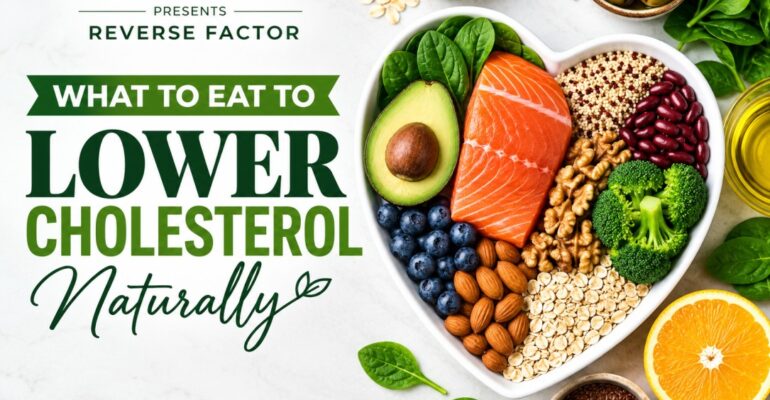
What to Eat to Lower Cholesterol: A Complete Food Guide
Heart health begins with the right choices we make every day, especially the food that we consume. If you are recently detected with cholesterol levels that are high, don’t panic. The good news is that the cholesterol level can be lowered naturally, just with few simple lifestyle changes and a balanced diet. Some cases may require medication when the condition is extreme but, most of them just require healthy eating which remains one of the most effective ways to support cholesterol control, protect your heart, and improve your overall well-being.
Understanding Cholesterol
Before we begin to understand the solutions, let’s understand the problem. ‘CHOLESTEROL” is a waxy fat-like substance found in every cell of the body. It plays an important role in producing hormones, vitamin D, and digestive fluids. However, not all cholesterol is beneficial.
-
LDL cholesterol
LDL cholesterol, often is termed as “bad cholesterol”, can build up in the arteries and increase the risk of heart disease and stroke.
-
HDL cholesterol
HDL cholesterol, known as “good cholesterol” helps remove excess cholesterol from the bloodstream, reducing the risk of cardiovascular problems and complications.
Fortunately, your diet has the ability to control and influence cholesterol levels by choosing the right foods to lower cholesterol naturally and present a noticeable difference over time.
Best Foods to Lower Cholesterol Naturally
- Oats and Whole Grains
One of the best options to cholesterol control is oats and whole grains. They are a rich source of soluble fibre, particularly beta-glucan, which strongly helps reduce the absorption of LDL cholesterol into the bloodstream. Start your day with a bowl full of oatmeal and whole wheat to your meals which provides long-lasting energy while supporting healthy cholesterol levels.
- Fruits Rich in Soluble Fibre
Few excellent additions that are cholesterol – friendly could be some of the options like apples, oranges, pears, berries, and grapes. These fruits contain pectin, a type of soluble fibre that binds with cholesterol in the digestive system and helps remove it from the body.
- Leafy Green Vegetables
Leafy vegetables like spinach, kale, broccoli, cabbage, and Brussels sprouts coexist with ample amounts of fibre, vitamins, and plant compounds which promote great heart health. They are naturally low in calories and saturated fat, making them ideal for individuals looking to lower cholesterol naturally.
- Healthy Fats Instead of Unhealthy Fats
Replacing saturated fats found in butter, processed meats, and fried foods with healthier fats can significantly improve cholesterol levels. Oils such as avocados, nuts, and seeds contain monounsaturated and polyunsaturated fats that help lower the LDL cholesterol while keeping intact the healthy HDL cholesterol.
- Fatty Fish for Omega-3 Fatty Acids
Fish such as salmon, sardines, mackerel, and tuna are excellent omega-3 fatty acids. If these seem out of reach or locally unavailable one can invest in some genuine brands of pharmacy products that constitute the same. These extremely healthy fats do not directly lower LDL cholesterol. Some locally available options for vegetarians are flaxseeds, chia seeds, and walnuts; they are very well known plant-based sources of omega-3 fatty acids.
- Beans, Lentils, and Legumes
Lentils, chickpeas, kidney beans, black beans, and peas are the powerhouses of nutrition. Rich in protein and soluble fibre, they make you full for longer periods while still balancing your LDL cholesterol levels. Replacing red meat with legumes is a smart choice to support your dietary intake and benefit your heart and digestive health.
- Nuts and Seeds
The consumption of a handful of nuts and seeds provides you with your daily dose of healthy fats, plant protein, fibre, and important minerals like magnesium. Walnuts, almonds, pistachio, sunflower seeds, and flaxseeds have all been associated with improved cholesterol control when consumed in moderation. Since they are calorie-dense, a small amount is generally sufficient.
Foods to Limit for Better Cholesterol Control
Cholesterol can only happen when there are certain restrictions followed religiously. From adding healthy foods, to reducing unhealthy ones is equally essential:
- Limit foods high in saturated and Trans fats
- Fried foods
- Bakery products
- Processed snacks
- Sugary desserts
- Fatty cuts of meat
- Full-fat dairy products
- Excessive sugar
- Refined carbohydrates
The healthier option would be:
- Grilled
- Baked
- Steamed
- Roasted
- Read nutrition labels
- Avoid hidden unhealthy fats
Lifestyle Habits That Support Healthy Cholesterol Naturally
Diet alone is only one part of maintaining healthy cholesterol.
- Regular physical exercises
- Maintaining a healthy body weight
- Managing stress
- Getting adequate sleep
- Restricting or avoiding smoking
Even a brisk walk of 30 minutes every day can reverse heart health and boost HDL cholesterol.
While advanced heart diseases may not be always fully reversible, research shows that healthy eating, regular exercise, and weight management along with proper medical guidance can show significant changes and early intervention always offers the greatest benefits.
Can High Cholesterol Be Reversed?
There is no doubt advanced heart disease is difficult to completely reverse. Still if we go back to basic things like cholesterol reversal, lifestyle change can make a large difference.
A study has found that healthy eating exercise controlling body weight, and the right healthcare intervention together can dramatically lower the risk factors for the heart. The better and earlier identification combined with the right treatment has the possibility of the best long-term outcomes for the heart.
Also Find: The Science of Meditation for Cardiac Health
Final Thoughts
Cholesterol is a substance found in the blood and body organs. You don’t have to drastically change your diet or follow intricate exercise programs to control your cholesterol levels. Simply adopting healthy behaviors like increasing the intake of whole grains, fruits vegetables , legumes, healthy fats and omega-3-rich foods will help gradually lower your cholesterol levels over a long term.
You can lower cholesterol at home if you decide to adopt healthier habits in your diet and lifestyle. Yet, you also need to keep up with them. Eating a healthy balanced diet, exercising regularly, getting enough sleeping hours, keeping up a good lifestyle all contribute to a healthier heart and an improved general lifestyle.
FAQs
- What are some foods to help lower cholesterol?
Ans: Foods rich in fibre, such as oats, beans, apples, and barley, are among the best natural foods to help reduce cholesterol.
- Can cholesterol be reduced without medication?
Ans: Yes. There are many healthy diets, regular exercise, weight management, and lifestyle changes. Some can practice medication based on medical advice.
- What drinks help lower cholesterol?
Ans: Green tea, oat-based drinks, soy milk, and plenty of water aid to a heart-healthy diet. Sugary beverages and excessive alcohol should be limited.
- Are eggs safe if I have high cholesterol?
Ans: Cholesterol or existing heart disease, consult your healthcare provider regarding the appropriate intake.
- How long does it take to lower cholesterol naturally?
Ans: With consistent dietary and lifestyle changes, noticeable improvements are seen within 6 to 12 weeks, although results differ from person to person.

Recent Comments