
Gut Microbiome Explained: Why It Matters
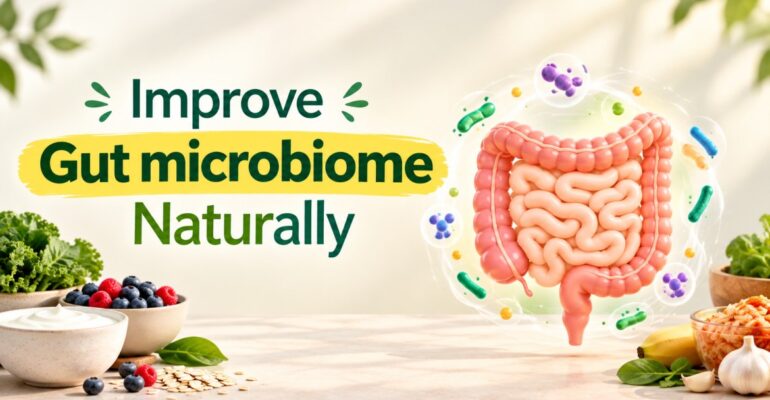
Gut Microbiome Explained: Why It Matters
Have you ever experienced a “gut feeling” about something? Of course yes. Surprisingly, science suggests that your gut has much more tasks than digesting Sure you’ve had that moment. Believe it or not, research shows that the function of your digestive system goes much beyond just breaking down food. The main orchestrator of the brain-gut axis is an ensemble of billions of microorganisms, bacteria, fungi viruses, that together form the gut-brain axis.
Beyond talking to the brain, these microscopic lifeforms help the immune system, are involved in the digestive process and affect many aspects of our physical and mental well-being. It’s safe to say that, in more ways than one, the gut microbiome is one of the main players in our health and well-being on the physical and mental level.
What Is the Gut Microbiome?
The gut microbiome is a core pillar of beneficial microorganisms that works together to keep the body functioning efficiently and effortlessly. While the word “bacteria” often gives us a negative reputation, somehow many gut bacteria are very essential for good health and improved digestion.
These microscopic helpers execute several important functions:
- Digest complex carbohydrates and fibres
- Produce very essential vitamins and nutrients
- Protect against harmful pathogens present in the gut
- Strengthen the overall immune system
- Support brain function and emotional wellbeing
Think of them as your body’s hidden immune system, working around the clock to keep you healthy and fit.
Gut Microbiome and Healthy Digestion
One of the most important roles of the gut microbiome and health is promoting and delivering healthy digestion.
The stomach with the small intestine digests most foods, certain fibres remain undigested till they are transferred to the large intestine. Therefore beneficial bacteria ferment these fibres to produce short-chain fatty acids (SCFAs). These compounds are popularly known to:
- Nourish the lining of the gut
- Reduce inflammation and aid digestion
- Improve nutrient absorption
- Maintain a healthy digestive system and gut health
A balanced microbiota ensures better and smoother digestion that is better for overall digestive health.
Signs of an Unhealthy Gut Microbiome
When the balance of beneficial bacteria is disturbed, a condition known as dysbiosis and it can lead to several digestive disorders.
Common signs of unhealthy gut microbiome include:
- Frequent bloating
- Gas
- Constipation
- Diarrhoea
- Stomach discomfort
- Food intolerances
- Persistent fatigue
- Conditions such as acne or eczema related to skin
- Increased mood swings and stress
These symptoms do not always indicate gut problems, but they are common signs of an unhealthy gut microbiome and it should not be ignored.
The Gut-Brain Connection
The function of the gut goes far beyond the act of food digestion alone.
As per studies, 70% of the body’s defense army of immune cells are situated close to the gut which makes it one of the body’s primary defensive systems. The job of beneficial bacteria is to make the distinction between the potentially dangerous invaders and the non-harmful ones and in the process limit inflammation.
How to Improve Gut Microbiome Naturally
Wondering how to improve gut microbiome naturally? The answer lies in simple, lifestyle choices.
Eat a Fibre-Rich Diet
A colourful diet filled with:
- Vegetables
- Fresh fruits
- Whole grains
- Legumes
- Nuts and seeds
- Lean proteins
Provides nutrients for beneficial gut bacteria.
Include Fermented Foods
Fermented foods naturally contain beneficial microbes that support the gut microbiome.
Excellent choices include:
- Kefir
- Kimchi
- Sauerkraut
- Idli
- Dosa
- Yoghurt
These foods naturally provide healthy bacteria and promote better digestion.
Prebiotics vs Probiotics: What’s the Difference?
Understanding the prebiotics vs probiotics is essential for maintaining gut health.
Probiotics are live beneficial bacteria found in fermented foods and dietary supplements.
Prebiotics are types of dietary fibre that feed these beneficial bacteria, helping them grow and thrive.
Excellent prebiotic foods include:
- Garlic
- Bananas
- Oats
- Asparagus
- Onions
For the best results, add both prebiotics and probiotics in your daily diet.
Can Improving Gut Microbiome Reverse Disease?
People ask whether reversing the gut microbiome can reverse disease.
Scientific research suggests that while maintaining a healthy gut supports digestion, immunity, metabolism, and overall wellbeing, it cannot single-handedly reverse every disease. However, improving gut health may decrease inflammation, support recovery, and lower the risk of several chronic conditions when combined with:
- Balanced nutrition
- Regular exercise
- Stress management
- Medical treatment when required
- Quality sleep
Final Thoughts
Gut microbiome is really an innovative idea in modern health science as it continues to unravel. These small microorganisms living inside us have amazing powers from supporting healthy digestion, bolstering our immune system, all the way to affecting our mood and general health.
By eating lots of fiber-containing foods, enjoying your fermented foods, finding out what prebiotics and probiotics can do for you, staying fit, dealing with stresses, and getting enough sleep, you can help your gut microbiome and health in the most natural way.
FAQs
- What is the gut microbiome?
Ans. The gut microbiome is a collective team of trillions of beneficial microorganisms living in our digestive system.
- Why is the gut microbiome important?
Ans. Gut microbiome is important for digestion, immunity, metabolism, and overall well-being. It’s actively involved in breaking down the food you eat, helping your immune system recognize friend from foe, regulating how your body processes and stores energy.
- What are the signs of an unhealthy gut microbiome?
Ans. Bloating, digestive issues, fatigue, skin problems, and frequent illnesses are common signs and also you may notice that you’re catching every cold that goes around the office.
- How can I improve my gut microbiome naturally?
Ans. Eating fibre-rich and fermented foods, working out regularly, sleeping well, and stress management can improve gut microbiome naturally. so finding ways to manage it genuinely makes a difference.
- What is the difference between prebiotics and probiotics?
Ans. Prebiotics feed good bacteria, while probiotics are the beneficial bacteria themselves. Think of probiotics as the workers and prebiotics as their lunch, you need both for the system to function well.

Recent Comments