

What Causes Kidney Stones and How Can You Prevent Them

What Causes Kidney Stones and How Can You Prevent Them
Stones form in the kidney and may cause pain when moving into the ureter or blocking urine flow. Kidney stones usually occur silently in the beginning and cause minimal pain. However, once a kidney stone gets into the urinary system, it is likely to cause pain in the back or side, nausea, and problems with urinating. Most individuals have the misconception that eating specific foods causes the formation of kidney stones, while in reality, there are many reasons why one gets kidney stones, such as dehydration, composition of the urine, heredity, and medical history.
Knowledge of what causes kidney stones can enable you to make the correct decisions regarding your day-to-day activities and possibly prevent yourself from getting stones again.
How Kidney Stones Form
Toxin in urine causes kidney stones when their concentration exceeds the capacity of the urine to keep them dissolved. For instance, calcium, oxalate, and uric acid, among other substances, could combine into crystals, which can merge and form stones within the kidneys.
The kind of kidney stone is very important since there are a variety of factors related to the development of every kind of stone. There are calcium oxalate stones and uric acid stones formed due to acidification of urine. Other types of stones are related to urinary infection, and cystine stones are linked to hereditary disorders.
That is why there is no universal approach to treatment of all kidney stones.
Kidney Stone Causes
Kidney stones occur due to an accumulation of certain minerals and wastes in the urine. Rather than being dissolved and excreted from the body in normal fashion, they crystallise and eventually form kidney stones.
Several Situations Cause Kidney Stones. They are:
1. Not Drinking Enough Water
Water deficiency is one of the most crucial risk factors. In the absence of sufficient amounts of water consumed by the body, the urine will be highly concentrated, which facilitates the formation of crystals.
For instance, having spent a whole day outside in the heat of Kolkata without drinking any water will increase the chances of losing body fluids due to sweating. In case the fluid lost is not replenished, the urine will become concentrated.
2. Eating Too Much Salt
Consumption of excessive sodium is known to increase the quantity of calcium that gets excreted in the urine and increases the susceptibility to certain types of kidney stones. Ready-to-eat snacks, canned noodles, pickles, papad, processed foods, and eating out too often will add extra salt to your diet.
There is no need to stop enjoying your favourite foods. It’s simply about reducing the intake of high-sodium foods and adding flavour to home-cooked foods using herbs and spices.
3. Dietary Patterns and Certain Health Conditions
Some dietary habits can increase the probability of developing stones in those prone to certain types of stones. A diet rich in protein may raise the risk of developing uric acid stones, whereas a diet containing too much oxalate will matter to those having calcium oxalate stones.
Other predisposing elements include a family history of kidney stones, obesity, some intestinal diseases, frequent UTIs, and certain genetic disorders. Some drugs and dietary supplements can also have an impact on stone formation.
How to Avoid Kidney Stones
Prevention can be through the simplest habits, but those who have formed stones will require more focused recommendations according to their results and history.
Drink Water Regularly Throughout the Day
It assists in diluting the urine that reduces stone risk due to the accumulation of any toxin. Instead of consuming much water at a stretch, it would be better if you kept it handy and consumed it at regular intervals. The amount of water you require depends upon your physical activity level, climate, and overall health condition.
Keep Salt Intake in Check
Cook more often at home and read food labels in packages for sodium content. There is no need to give up on Indian meals, but some adjustments can be made. For example, opt for natural fruit instead of ready-made snacks, use less salt while making dal preparations, and don’t have several salty foods at once.
You can also find WHO’s healthy diet recommendations to learn more about balanced nutrition.
Eat a Balanced Diet
A varied diet containing vegetables, fruits, whole grains, and sources of adequate protein is necessary for good health. Do not rush to cut out calcium foods due to your fear of calcium stones. Adequate consumption of calcium through foods can assist in reducing oxalate absorption in your gastrointestinal tract.
In case you have suffered from kidney stones earlier, consult a health care provider to see if it is necessary for you to make some changes in your dietary habits.
Foods to Avoid for Kidney Stones
A list of all foods to be avoided by all individuals having kidney stones does not exist. It will vary according to the kind of stone one suffers from and one’s health status.
Foods That Cause Kidney Stones
There exist foods that cause kidney stones depending on their frequency and amount consumed.
- High sodium foods: Packaged snacks, instant noodle soups, processed meats, salty pickles, and prepared sauces.
- Oxalate foods: Spinach, rhubarb, wheat bran, and some nuts. For individuals who are at risk of developing calcium oxalate stones, it is advisable to limit their consumption of selected foods instead of avoiding plant-based foods entirely.
- Excessive animal protein: Red meats, organ meats, and some types of seafood, can increase uric acid production and change the urine composition in some people.
- Drinking sugary beverages: consuming them regularly will make it difficult to adhere to balanced nutrition. Water should be chosen over other beverages.
Do not starve yourself by avoiding certain types of foods unnecessarily. For instance, eliminating all dairy products without the recommendation of an expert might lower the intake of calcium.
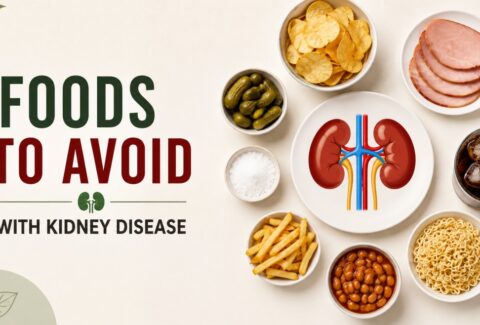
Also Find: Foods to Avoid with Kidney Disease
When to Seek Medical Care
It is possible for the body to naturally pass the kidney stones, but there are symptoms that call for immediate attention. You should seek immediate medical help if you experience any of the following symptoms:
- Severe pain in your back, side, lower abdomen, or groin area.
- Fever or chills associated with the presence of kidney stones as these symptoms may indicate an infection which will require immediate medical treatment.
- Having blood in your urine, particularly when it is linked to pain and other issues of the urinary system.
- Difficulty urinating or inability to pass urine.
- Constant vomiting or inability to keep fluids down.
A blockage of urine caused by the presence of a stone and an infection becomes a medical emergency. It should never be assumed that increasing your fluid intake or taking natural remedies will help ease the symptoms.
Even when the symptoms you are experiencing are mild, visit your doctor if you think you have kidney stones. Your condition may be evaluated based on the results of the test done using your urine and blood sample, among others.
Karan Kakkad on Long-Term Kidney Stone Solutions
An effective preventive measure is one that you will be able to stick with. You can start by carrying a water bottle with you, making balanced food choices, minimising excess salt intake, and sustaining a routine of physical activity that suits your capabilities.
At Karan Kakkad, we promote the awareness of the connection between food choice, everyday routines and general well-being of people. We can guide the prevention of kidney stones; however, we cannot substitute for a medical assessment or treatment if necessary. If you are suffering from recurrent kidney stones it is advised to follow an individually tailored medical advise.
FAQs
- What causes kidney stones?
One of the most common causes is concentrated urine that promotes crystal formation due to the presence of waste products and minerals in it. Some other causes include low fluid consumption, diet-related issues, genetic predisposition, and some other health problems.
- Is drinking water a way to avoid kidney stones?
Consumption of water can help decrease the concentration of kidney stone-forming elements in the urine and decrease the chance of developing some kidney stones. Your needs for liquid can depend on your health and level of physical activity.
- Do I need to refuse foods high in calcium?
No, sometimes, it is beneficial to consume some calcium-containing foods in order to decrease oxalate regularly.


Recent Comments