
What Are the Early Signs of Kidney Disease Most People Ignore?
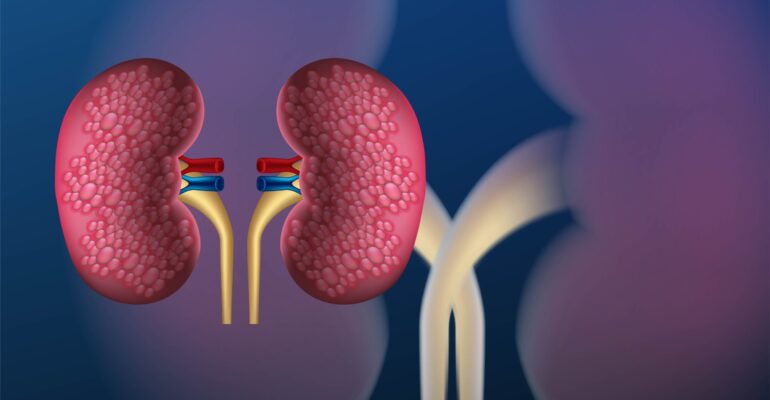
What Are the Early Signs of Kidney Disease Most People Ignore?
Often, kidney disease is not something that attracts attention. Most people develop kidney disease silently, and there are signs that one can easily ignore and associate with passing moments of discomfort. At a stage when one realises the symptoms, the disease might have reached an advanced stage, and the role to prevent chronic kidney disease Kolkata cannot be overemphasised, especially in urban settings where diseases associated with one’s lifestyle are on the rise.
In cities like Kolkata, working for long hours, having irregular meals, having less physical activity, and having a lack of stress management contribute to increasing needs to arrest or prevent chronic kidney disease Kolkata owing to early awareness and interventions. Recognising warning signs may be the first and foremost step in many cases.
Persistent Fatigue and Low Energy
It’s normal to feel fatigued at the end of the day. But if fatigue isn’t relieved by resting and persists for a while, then it may be an initial symptom of kidney issues. If the kidneys are healthy and functioning well, they’re able to filter waste and regulate the body’s levels of red blood cells. If the kidneys don’t function properly, then toxins start to accumulate in the body’s bloodstream and cause feelings of fatigue and lethargy.
You may consider this fatigue, for instance, due to work pressure or lack of sleep, and not look further. Neglecting the fatigue might lead to progression of the condition.
Changes in Urination Patterns
Among the earliest and most frequently overlooked symptoms of kidney disease is a change in urination pattern. These symptoms may include:
- Urinating more frequently, especially during the night
- Urinating less than usual
- Noticeable foam on urine
The presence of foam in the urine might signify that the body is eliminating high amounts of protein, and this is commonly correlated with renal problems. In addition, changes in the colour of urine or painful urination might occur in some patients.
Swelling in the Feet, Ankles, or Face
Swelling, especially in areas of the body such as the feet, ankles, hands, or face, may result from the issues the kidneys have in filtering out excess fluids and sodium from the body. This fluid retention occurs without much pain and thus may not be noticed.
Poor Appetite and Digestive Discomfort
Loss of appetite, nausea, or a metallic taste in the mouth may occur in early stages of kidney problems. When toxic materials start to build up in the blood, problems with digestion or taste may arise.
Such symptoms are common and easily mistaken for conditions like acidity, indigestion, or stress-related eating disorders.
Trouble Sleeping and Restlessness
Kidney functions are directly related to the quality of sleep. If the toxins are not removed effectively, they can affect a person’s sleep patterns and result in restlessness, sleep interruptions, or insomnia.
Sleep problems are commonly attributed to stress, screens, or irregular timing. While it is true that these problems do contribute to sleep issues, other physical symptoms could be an indicator of an existing problem when there are problems with sleep.
Dry Skin and Muscle Cramps
Healthy kidneys help keep the right amount of minerals in your body. Without this balance, you may have dry, itchy skin or muscle cramps.
These symptoms are more or less treated with topical creams or supplements, with their root cause not brought into understanding. While dryness and cramps can be harmless at times, their frequent occurrences may suggest a deeper imbalance related to kidney health.
Why Early Detection Matters?
Kidney disease is a slowly progressing disorder, which can have severe effects if not managed. Quick detection of the disorder can ensure positive results and the aspects of reverse disease, prevention, and lifestyle diseases prevention and control through consciousness.
Basic steps like health checkups, blood pressure checks, blood sugar management, and urine tests can help in monitoring possible renal function alterations. Early intervention in these symptoms is also quite effective in slowing down progress.
Taking the First Step Toward Prevention
Many contributing factors to kidney disease are associated with long-term lifestyle practices. Consuming excess salt, not drinking enough, having uncontrolled diabetes, having high blood pressure, smoking, and stress exert a constant toll on kidneys.
In an urban setting such as Kolkata, where the lifestyle is very hectic, it is also very important to maintain lifestyle diseases prevention and control. Eating healthy meals, exercising, drinking water, and getting ample sleep are not privileges but are the very basic needs of kidney protection.
Learning how to prevent chronic kidney disease Kolkata requires recognising the importance of habits in preventing chronic kidney disease, as compared to occasional care. Prevention comes before the symptoms.
A Grounded Perspective on Health
Karan Kakkad addresses the topic of healthcare and disease prevention in a clear and pragmatic way. His work does not advocate any strict actionable advice but rather is an exploration of how lifestyle factors impact overall healthcare. He urges listeners to pay attention to the whispers of the body and act accordingly.
His advice will often focus on the link between stress, digestion, sleep, and organ function. By considering each of these elements, he encourages a holistic method of maintaining good health, which complements the ideas of prevention and long-term recovery. His ideas may be beneficial to many because he suggests incorporating health, rather than merely addressing it as an issue.
FAQs
-
What are the earliest signs of kidney disease?
Ans: Fatigue, changes in urination habits, swelling, loss of appetite, and sleep disturbances are a few early indications.
-
Is renal disease preventable by changing one’s lifestyle?
Ans: Yes, it does. Healthy eating and hydration, management of stress, and routine checkups contribute majorly to prevention.
-
Why is early detection important?
Ans: Early detection can be managed in time and slows the progression before causing serious damage.
-
Who is at a higher risk of kidney disease?
Ans: People suffering from diabetes, high blood pressure, prolonged stress, or an adverse pattern of lifestyle are more prone to this condition.



Recent Comments