
Lifestyle Diseases Prevention and Control Through Daily Habits
Lifestyle Diseases Prevention and Control Through Daily Habits
Lifestyle diseases have become one of the most prevalent health issues of this generation. Diseases such as diabetes, heart disease, high blood pressure, obesity, and some autoimmune diseases are no longer confined to older generations. These diseases tend to develop over time, depending on how we live our lifestyles, from the food we eat to how we sleep, move, and respond to stress.
Lifestyle diseases prevention and control are not about making drastic changes or following rules. It is about realising how our daily activities impact our bodies. When we make these changes, our bodies tend to respond by stabilising, repairing, and, in some cases, reversing the effects of the disease.
What Are Lifestyle Diseases?
Lifestyle diseases are those that are likely to occur as a result of habits rather than infections or injuries. They are also associated with lifestyle factors such as poor eating habits, lack of exercise, stress, and irregular sleeping patterns.
Lifestyle diseases are also those that do not occur suddenly. They occur over a period of time, and in the early stages, they may not show any symptoms. By the time they are diagnosed, the body could have been suffering for many years.
Lifestyle diseases prevention and control are therefore important.
Why Daily Habits Matter?
Many people concentrate on short-term solutions when health problems arise. However, lifestyle diseases require more consistency than intensity.
Daily activities affect:
- Blood sugar control
- Inflammation
- Hormone regulation
- Digestive power
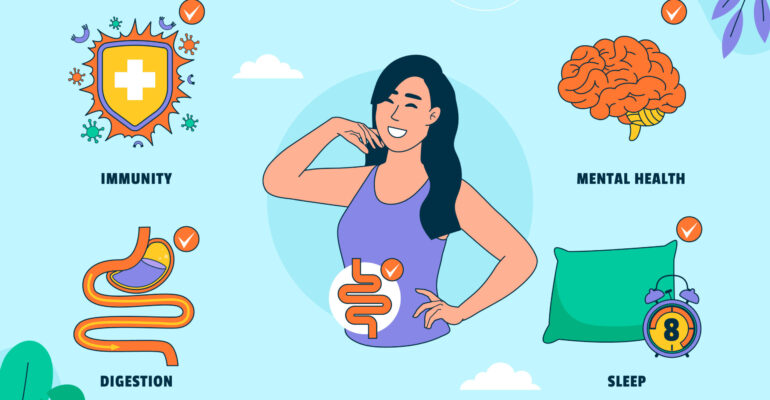
- Immune function
If daily activities help the body rather than drain it, the basis for preventing and managing lifestyle diseases will be more solid.
Nutrition as the First Line of Prevention
Food has a direct impact on the functioning of the body. Unhealthy food habits can lead to inflammation, imbalances in blood sugar, and poor digestion.
Prevention of lifestyle diseases requires simple food habits:
- Consuming whole foods that are easy to digest
- Following healthy meals with a balance of proteins, healthy fats, and carbohydrates
- Reducing the intake of processed foods and sugars
- Eating regular meals at fixed times
A constant flow of nutrients in the body enables it to heal tissues, balance hormones, and maintain a stable energy level.
Exercise for Disease Control
Exercise promotes circulation, metabolism, and muscle function. Exercise also helps control blood sugar levels and prevents inflammation.
For people with chronic conditions, exercise does not have to be strenuous. Walking, stretching, or light weight training can be more effective than sporadic vigorous exercise.
Regular exercise helps the body adapt favourably without adding to stress.
Sleep as a Healing Process
Sleep is when the body heals. Lack of sleep impacts appetite, insulin, stress hormones, and the immune system.
Lifestyle diseases can be caused by poor sleep. Enhancing the quality of sleep is important for both the prevention and management of diseases by allowing the body to heal.
Sleep routines and getting enough sleep are essential for health.
Stress and Chronic Disease Management
Chronic stress causes the body to be in a state of constant alert. This impacts blood pressure, sugar levels, digestion, and the immune system.
Stress management helps in managing chronic illnesses by not overloading the nervous system. This can be achieved by taking quiet breaks, practicing breathing techniques, and setting realistic timetables.
Reduced stress enables the body to heal rather than survive.
Can Daily Habits Help Reverse Disease?
Although not all diseases can be fully eradicated, certain lifestyle changes can slow down their progression and even reverse their effects.
To reverse disease naturally, you should focus on:
- How to reducing inflammation
- Enhancing digestion and nutrient absorption
- Regulating hormones
- Keeping blood sugar under control
Patients often notice improvements in their energy levels when their lifestyle habits are changed in a good way.
Preventing Lifestyle Diseases
Although not all diseases can be fully eradicated, certain lifestyle changes can slow down their progression and even reverse their effects.
In order to reverse the effects of disease naturally, one should focus on the following:
- Reducing inflammation
- Enhancing digestion and nutrient uptake
- Regulating hormones
- Keeping blood sugar levels stable
Patients often notice improvements in their energy levels, lab results, and reliance on medication when their lifestyle habits are altered for the better by a professional.
The Long-Term Approach to Health
Preventing lifestyle diseases is not about being perfect. It is about creating habits that can be sustained for many years.
Small steps may work better than making a big effort. This is because small steps are more likely to be sustained over time.
Final Thoughts
When daily habits are body-friendly, lifestyle diseases can be prevented and managed more easily.
Karan Kakkad works on natural health and healthy lifestyle practices. He aims at providing useful insights to readers on how daily habits affect long-term health and disease management.
FAQs
1. What are lifestyle diseases?
Ans: Lifestyle diseases are chronic diseases that arise from our everyday habits and bad management of health.
2. Can lifestyle diseases be prevented completely?
Ans: Yes, lifestyle diseases can be prevented or their onset postponed by adopting healthy lifestyle habits right from the start.
3. Can everyday habits really help reverse disease?
Yes, in some cases. Healthy habits can help control the symptoms, slow down their progression, and also help the body heal naturally.
4. Is medication always required for chronic disease management?
Ans: No, not always. Healthy lifestyle changes can be combined with medication and may even help avoid taking higher doses of medication.
5. How long does it take to see results from lifestyle changes?
Ans: Some results can be seen in a few weeks, but overall results take several months.


Recent Comments